
Understanding the Power Dynamics in Brazil’s Political Landscape: A Detailed Report
Brazil’s political landscape is a complex tapestry woven from historical influences, socio-economic factors, and a diverse cultural backdrop. As Latin America’s largest country, Brazil’s political scene plays a significant role in the region and the world. This report delves into the intricate power dynamics that shape Brazilian politics, offering insights into the forces at play and the implications for the future.
Historical Context: Foundations of Power
To comprehend the current political dynamics, it’s imperative to consider Brazil’s past. The nation’s colonial history under Portuguese rule laid the groundwork for its political structure. The transition from a monarchy to a republic in 1889 marked a pivotal shift, as Brazil began to develop its unique political identity.
Throughout the 20th century, Brazil experienced periods of democracy and dictatorship, with the military regime from 1964 to 1985 leaving a lasting impact on its political institutions. The return to democracy in the late 20th century ushered in a new era of political engagement and reform.
Current Political Structure: A Complex Web
Brazil operates as a federal republic, with power divided among the executive, legislative, and judicial branches. The president, currently Luiz Inácio Lula da Silva, serves as both head of state and government, wielding significant influence over national policies.
The National Congress, comprising the Senate and the Chamber of Deputies, plays a critical role in the legislative process. The judiciary, headed by the Supreme Federal Court, ensures that laws align with the country’s constitution.
Key Political Parties and Their Influence
Brazil’s political arena is marked by a multitude of parties, with the Workers’ Party (PT) and the Brazilian Social Democracy Party (PSDB) being two of the most prominent. These parties have historically dominated presidential elections, shaping the nation’s policies and international stance.
The rise of the Social Liberal Party (PSL) in recent years, particularly under former President Jair Bolsonaro, highlighted a shift towards more conservative policies. This shift has sparked debates on issues such as environmental policy, economic reforms, and social programs.

Socio-Economic Factors: Drivers of Change
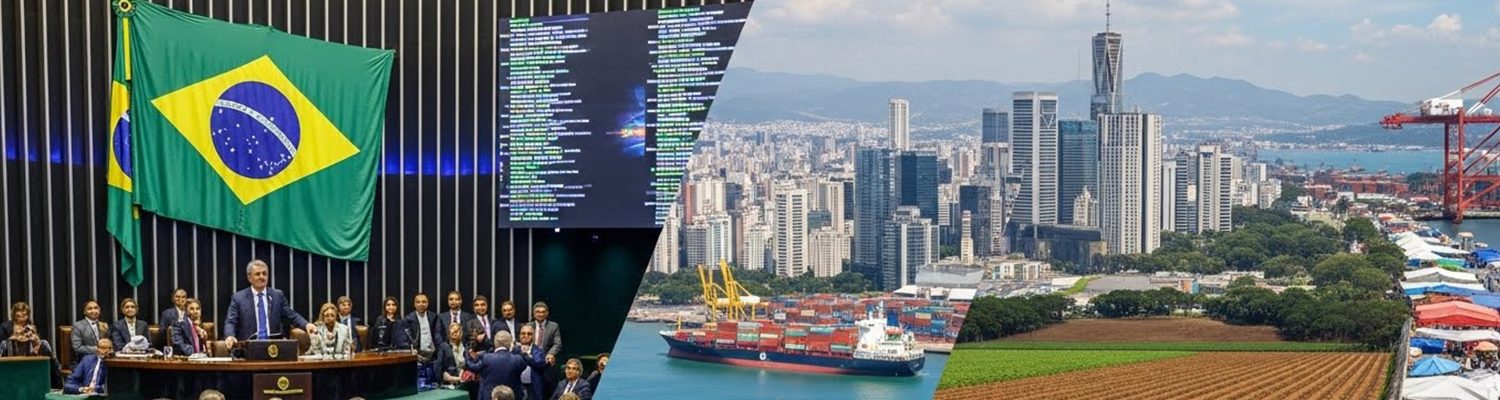
Socio-economic factors play a crucial role in shaping Brazil’s political dynamics. With a population exceeding 200 million, Brazil is characterized by stark economic inequalities. While the nation boasts a robust agricultural and industrial sector, poverty and unemployment remain pressing issues.
Social programs, such as Bolsa Família, have been instrumental in reducing poverty and improving access to education and healthcare. However, debates continue about the sustainability and effectiveness of such initiatives, influencing political discourse and decision-making.
The Role of Media and Public Opinion
In Brazil, media outlets wield significant power in shaping public opinion and political narratives. The country’s media landscape is diverse, with traditional newspapers coexisting alongside digital platforms and social media. These channels play a pivotal role in informing the populace and holding politicians accountable.
Public opinion, fueled by media coverage, can sway election outcomes and policy decisions. The recent increase in digital media consumption highlights the growing influence of social media platforms in political campaigns and discussions.
Corruption and Political Scandals
Corruption remains a significant challenge in Brazilian politics. The Operation Car Wash scandal, which exposed widespread corruption involving politicians and business leaders, underscored the deep-rooted issues within the political system.
Efforts to combat corruption have led to increased transparency and accountability measures, but challenges persist. Addressing corruption is crucial for restoring public trust and ensuring the effective functioning of democratic institutions.
Future Prospects: Navigating Challenges and Opportunities
The future of Brazil’s political landscape is shaped by various internal and external factors. Economic recovery post-COVID-19, environmental policies regarding the Amazon rainforest, and social justice issues are at the forefront of national discourse.
Internationally, Brazil’s role in regional and global politics continues to evolve. As a member of BRICS and a major player in Mercosur, Brazil’s foreign policy decisions have significant implications for trade, diplomacy, and global cooperation.
Conclusion: A Dynamic Political Landscape
Brazil’s political landscape is a dynamic entity, influenced by historical legacies, socio-economic challenges, and the aspirations of its people. Understanding the power dynamics at play is essential for comprehending the country’s political trajectory and its impact on the global stage.
As Brazil navigates its path forward, the interplay between political actors, economic forces, and public sentiment will continue to shape its destiny. By fostering transparent governance and inclusive policies, Brazil has the potential to overcome its challenges and emerge as a stronger, more equitable nation.
The Influence of International Relations
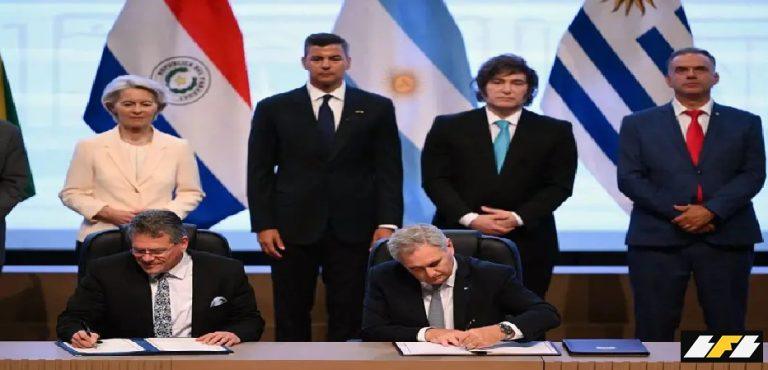
Brazil’s position in international politics is a pivotal component of its power dynamics. As a leading economy in South America, Brazil plays a crucial role in regional stability and cooperation. Its membership in organizations such as the Southern Common Market (Mercosur) exemplifies its commitment to regional integration and trade partnerships.
Moreover, Brazil’s participation in global forums like the United Nations and the World Trade Organization showcases its influence on international policies and economic discussions. The country’s stance on climate change and sustainable development, particularly concerning the Amazon, has attracted global attention and highlighted its role in environmental diplomacy.
Civil Society and Grassroots Movements
Civil society organizations and grassroots movements are integral components of Brazil’s political landscape. These groups advocate for a myriad of issues, ranging from environmental conservation and indigenous rights to economic equality and social justice.
The rise of digital activism has empowered citizens to voice their opinions and mobilize support for various causes. Campaigns driven by social media have played a significant role in shaping public policy and influencing political outcomes, demonstrating the power of collective action in Brazil’s democracy.
Challenges in Governance and Policy Implementation
Despite the strides made in democratic governance, Brazil faces ongoing challenges in policy implementation. Bureaucratic inefficiencies, political gridlock, and resource constraints hinder the effective execution of policies designed to address pressing social and economic issues.
The decentralized nature of Brazil’s federal system adds complexity to policy implementation, as state and local governments possess significant autonomy. This structure requires robust coordination and cooperation across different levels of government to achieve cohesive policy outcomes.
Educational Reforms and Political Engagement
Education plays a vital role in shaping informed and engaged citizens. Brazil’s educational policies aim to improve access and quality across all levels of schooling, with an emphasis on reducing inequalities in education.
Efforts to enhance civic education and political literacy are crucial for fostering a politically active and informed populace. By equipping citizens with the knowledge to critically evaluate political discourse and participate in democratic processes, Brazil can strengthen its democratic institutions and promote greater political engagement.
The Youth Factor: Shaping the Future of Politics
The youth of Brazil represent a powerful force for change within the political landscape. With a significant portion of the population under the age of 30, young people are increasingly vocal about their aspirations for a more equitable and sustainable future.
Engagement in student movements, environmental campaigns, and digital activism highlights the potential of youth to drive political and social transformation. As future leaders, their perspectives and participation are essential for shaping policies that reflect the needs and aspirations of the next generation.
Technological Advancements and E-Government
Embracing technological advancements is crucial for enhancing governance and service delivery in Brazil. The adoption of e-government initiatives has the potential to streamline bureaucratic processes, increase transparency, and improve access to public services.
By leveraging technology to facilitate citizen participation and enhance accountability, Brazil can address some of the systemic challenges facing its political institutions. Furthermore, the integration of digital tools in policy-making processes can foster more inclusive and data-driven decision-making.
Conclusion: Embracing Change for a Brighter Future
Understanding the power dynamics in Brazil’s political landscape requires a comprehensive analysis of historical, socio-economic, and cultural factors. As the nation continues to evolve, addressing systemic challenges and embracing opportunities for reform are crucial for building a more equitable and prosperous future.
Through continued efforts to enhance democratic governance, promote social justice, and foster international cooperation, Brazil can navigate the complexities of its political landscape and emerge as a leader on the global stage. By prioritizing transparency, inclusivity, and sustainability, Brazil can harness its potential and achieve lasting progress for all its citizens.
Environmental Policies and Sustainability
The environmental policies of Brazil have a profound impact on its political landscape, especially given the global significance of the Amazon rainforest. Brazil’s approach to balancing economic development with environmental preservation is a topic of both national and international concern.
Efforts to curb deforestation and promote sustainable land use have been met with varying degrees of success. The government’s policies on environmental protection are often influenced by international pressure, economic interests, and domestic political agendas. Engaging with international environmental agreements and fostering partnerships with global organizations are essential steps for Brazil in addressing ecological challenges.
Economic Policies and Their Political Implications
Economic policy is a critical factor in Brazil’s power dynamics, with direct implications for political stability and public welfare. The country faces significant economic challenges, including inflation, unemployment, and public debt, which influence governmental priorities and public perceptions of leadership.
Reforms aimed at fostering economic growth, improving infrastructure, and enhancing competitiveness are pivotal in shaping Brazil’s economic trajectory. Policies that address income inequality and support small and medium-sized enterprises are especially important in creating a more inclusive economic environment.
Judicial Reforms and Rule of Law
The judiciary plays a vital role in maintaining the rule of law and protecting democratic principles in Brazil. Judicial reforms aimed at increasing efficiency, reducing case backlogs, and ensuring impartiality are crucial for upholding justice and public confidence in legal institutions.
High-profile cases and judicial decisions often have significant political repercussions, influencing public opinion and shaping political narratives. Strengthening the independence and integrity of the judiciary is essential for consolidating democracy and promoting fair governance.
Social Policies and Public Welfare
Social policies aimed at improving healthcare, education, and social security are integral to Brazil’s political agenda. Programs that address poverty alleviation, healthcare access, and educational opportunities are critical for enhancing the quality of life for all Brazilians.
Innovative social policies that leverage technology and data analytics can improve service delivery and ensure that resources are allocated effectively. By prioritizing social welfare programs, Brazil can address inequality and foster social cohesion, enhancing political stability and citizen satisfaction.
The Role of Innovation and Research
Innovation and research are key drivers of economic development and social progress in Brazil. Investments in science and technology can spur advancements across various sectors, from agriculture and industry to healthcare and education.
Fostering a vibrant research community and encouraging collaboration between academic institutions, government agencies, and private enterprises can enhance Brazil’s competitiveness on the global stage. Policies that support research and development, intellectual property rights, and innovation ecosystems are critical for sustaining growth and development.
Conclusion: Charting a Path Forward
The intricate power dynamics within Brazil’s political landscape are shaped by a multitude of factors, ranging from historical influences and socio-economic conditions to global interactions and internal reforms. As Brazil continues to navigate its complex political environment, embracing transparency, inclusivity, and innovation will be essential for achieving sustainable progress.
By addressing systemic challenges, fostering international partnerships, and prioritizing the needs of its citizens, Brazil has the opportunity to strengthen its democratic institutions and achieve a more prosperous and equitable future. The path forward requires a commitment to reform, collaboration, and visionary leadership, ensuring that Brazil remains a pivotal player on the world stage.
About the Author