Understanding the Impact of Recent News on Global Economy
The interconnectedness of today’s global economy means that news from one part of the world can have ripple effects across continents. This complex web of economic interdependence is influenced by political events, technological advancements, environmental changes, and socio-cultural shifts. In this article, we delve into how recent news events have shaped the global economic landscape, assessing both direct and indirect impacts.
Political Events and Economic Consequences
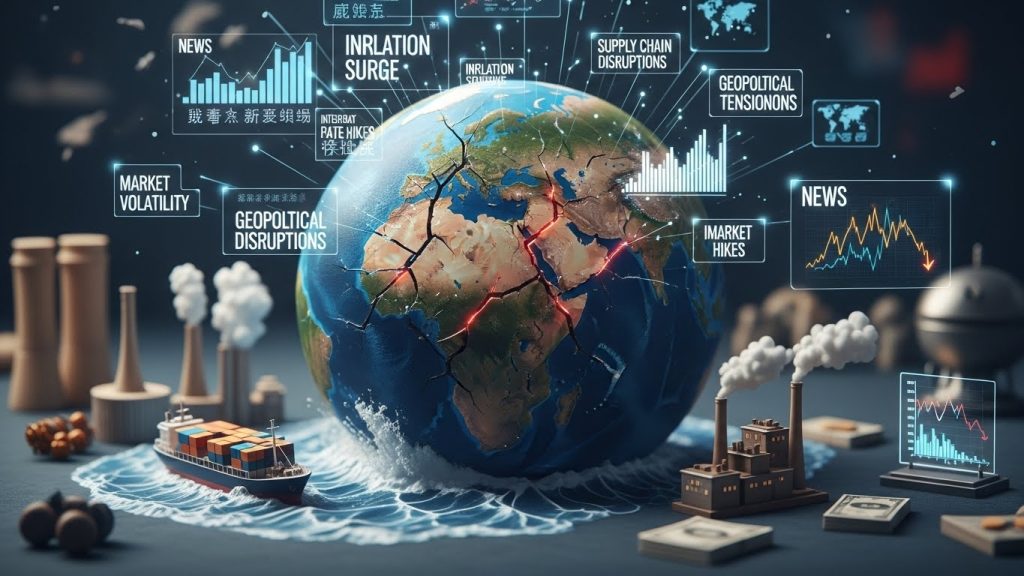
Political stability is a cornerstone of economic prosperity. Recent geopolitical tensions, such as trade wars and diplomatic standoffs, have posed significant challenges to global trade. For instance, the ongoing trade disputes between major economies like the United States and China have disrupted supply chains, affecting industries worldwide.
According to a report from the World Economic Forum, these tensions have led to increased tariffs, impacting the cost of goods for consumers and businesses alike. Furthermore, political events such as Brexit have introduced uncertainties in the European markets, affecting investor confidence and leading to fluctuations in currency values.
Technological Advancements and Digital Transformation
Technological advancements continue to redefine the global economic landscape. The rise of digital currencies, automation, and artificial intelligence presents both opportunities and challenges. The shift towards a digital economy, accelerated by the COVID-19 pandemic, has seen a surge in e-commerce and remote working, reshaping traditional business models.
According to International Monetary Fund data, digital transformation contributes significantly to GDP growth, especially in developing countries where mobile technology has improved access to financial services. However, this rapid shift also raises concerns about cybersecurity and data privacy, which can have economic implications if not adequately addressed.
Environmental Changes and Economic Impacts
Environmental news, particularly concerning climate change, has profound implications for the global economy. Extreme weather events and natural disasters disrupt production and supply chains, leading to increased costs and reduced economic output. The push for sustainable development and green energy has prompted industries to innovate, but also brings challenges in terms of costs and regulatory compliance.
The United Nations emphasizes the need for urgent action to mitigate climate change impacts, highlighting the economic risks of inaction. Transitioning to renewable energy sources is essential for long-term economic stability, but requires substantial investment and policy support.
Socio-Cultural Shifts and Economic Adaptation
Socio-cultural changes, including demographic shifts and changing consumer preferences, play a significant role in shaping the economic landscape. The aging population in many developed countries poses challenges for labor markets and social welfare systems, while younger, tech-savvy generations drive demand for innovative products and services.
Furthermore, social movements advocating for equality and inclusivity have prompted companies to reevaluate their business practices. A study by Brookings Institution highlights how diversity and inclusion can enhance economic performance by fostering innovation and attracting a broader customer base.
Takeaways
In conclusion, understanding the impact of recent news on the global economy requires a multifaceted approach, considering political, technological, environmental, and socio-cultural dimensions. As the world becomes increasingly interconnected, the ability to adapt to rapid changes is crucial for economic resilience and growth.
Stakeholders, including governments, businesses, and individuals, must stay informed and proactive in addressing these challenges. By embracing innovation, promoting sustainability, and fostering inclusivity, the global economy can navigate the complexities of the modern world and achieve sustainable growth for future generations.
Global Health Crises and Economic Stability
The recent COVID-19 pandemic is a stark reminder of how global health crises can drastically impact the economy. It forced governments worldwide to implement lockdowns, which led to a significant contraction in economic activities. The International Labour Organization reported unprecedented job losses, affecting millions globally.
Efforts to curb the virus, such as vaccination drives, have been crucial in economic recovery. However, the uneven distribution of vaccines has highlighted disparities between developed and developing nations, affecting global economic stability. A comprehensive approach is needed to address these inequities, ensuring a more balanced and resilient economic recovery.
Innovation in Financial Markets
Recent developments in financial markets, such as the rise of cryptocurrencies and the adoption of blockchain technology, have introduced new dynamics into the global economy. These innovations offer potential for greater financial inclusion and efficiency but also pose regulatory challenges and risks of market volatility.
The Bank for International Settlements has been actively working with central banks to explore the implications of digital currencies, aiming to harness their benefits while mitigating associated risks. This collaboration is vital for maintaining financial stability and fostering trust in new financial systems.
Trade Policies and Economic Growth
Trade policies play a critical role in shaping the global economy. Recent shifts towards protectionism and the re-negotiation of trade agreements have significantly impacted international trade flows. For example, the reconfiguration of the North American Free Trade Agreement (NAFTA) into the United States-Mexico-Canada Agreement (USMCA) has had implications for cross-border trade and investment.
Open trade policies are essential for encouraging economic growth and innovation. According to the World Trade Organization, reducing trade barriers and fostering a free trade environment can lead to increased economic efficiency and consumer benefits. However, it is crucial for these policies to be inclusive and to address the concerns of all stakeholders involved.
Global Economic Forecasts and Future Trends
Looking ahead, several trends are expected to shape the global economy. The continued advancement of technology, particularly in artificial intelligence and biotechnology, will drive innovation and productivity. Climate change policies and the transition to a green economy will also influence economic activities and investments.
Moreover, the geopolitical landscape will continue to play a significant role in economic developments. As countries navigate their relationships amidst shifting alliances and power dynamics, the potential for both conflict and cooperation will impact global economic stability. Collaborative efforts in multilateral forums are essential for addressing these complex challenges.
Final Thoughts
The impact of recent news on the global economy underscores the importance of staying informed and adaptable in a rapidly changing world. By understanding the intricate interplay between various factors, stakeholders can better anticipate and respond to challenges, ensuring a more resilient and prosperous global economy.
As we move forward, it is imperative to foster collaboration and innovation across borders, embracing diversity and sustainability as key drivers of economic growth. With concerted efforts and strategic planning, the global community can overcome current challenges and pave the way for a more equitable and thriving economic future.
The Role of International Organizations
International organizations play a pivotal role in managing global economic challenges. Institutions like the World Bank and the International Monetary Fund provide essential support to countries through financial assistance and policy advice. These organizations help stabilize economies during crises and promote long-term growth through sustainable development projects.
Moreover, international organizations facilitate dialogue and cooperation among countries, fostering a collaborative approach to solving global problems such as poverty, inequality, and environmental degradation. Their efforts in setting global standards and providing technical assistance are crucial for harmonizing economic policies across borders.
Investment Strategies in a Volatile Market
In light of recent economic fluctuations, investors are re-evaluating their strategies to mitigate risks and capitalize on opportunities. Diversification remains a fundamental principle, spreading investments across various asset classes to reduce exposure to any single market’s volatility. Additionally, there is a growing interest in sustainable investing, focusing on companies with strong environmental, social, and governance (ESG) practices.
Investors are increasingly considering the ethical implications of their portfolios, aligning financial returns with broader societal goals. This shift not only supports responsible business practices but also positions investors to benefit from the long-term growth potential of companies that prioritize sustainability and ethical governance.
Education and Workforce Development
As the global economy evolves, the demand for a skilled workforce capable of navigating new technologies and industries is more critical than ever. Education systems worldwide are adapting to prepare individuals for the jobs of the future, emphasizing STEM (science, technology, engineering, and mathematics) and digital literacy.
Continuous learning and professional development are also becoming essential, as workers need to adapt to rapidly changing job requirements. Companies and governments must collaborate to create training programs that address skills gaps and promote lifelong learning, ensuring that the workforce remains competitive and adaptable in a dynamic economic environment.
Takeaways
The global economy is at a crossroads, facing unprecedented challenges and opportunities. Recent news has highlighted the complex interplay between various factors that shape economic outcomes. By understanding these dynamics, stakeholders can make informed decisions that foster economic resilience and sustainable growth.
Through collaboration, innovation, and a commitment to inclusivity and sustainability, the global community can navigate the complexities of today’s world. By leveraging the strengths of international organizations, adapting investment strategies, and prioritizing education and workforce development, we can build a more equitable and prosperous future for all.
About the Author