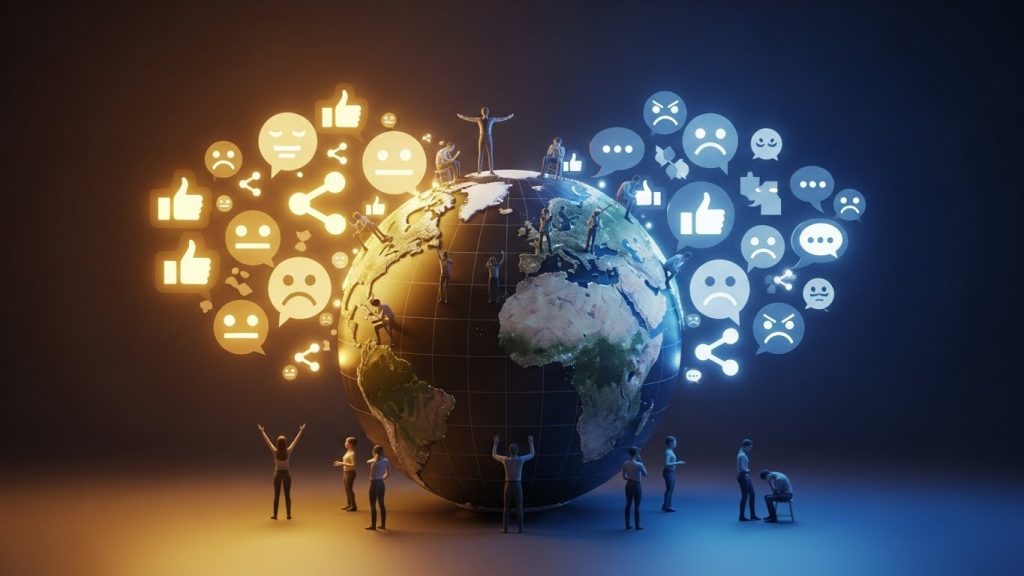
The Role of Social Media in Shaping Political Perspectives: An In-depth Study
In the modern age, social media has become an integral part of everyday life, influencing how individuals perceive the world around them. One of the most significant areas impacted by social media is politics. This article delves into the role social media plays in shaping political perspectives, examining both the positive and negative aspects of this dynamic relationship.
The Emergence of Social Media as a Political Tool
Social media platforms such as Facebook, Twitter, and Instagram have transformed from simple networking sites to powerful tools for political engagement. The Pew Research Center reports that a majority of Americans use these platforms to get news and information about political events. The immediacy and accessibility of social media allow for real-time communication and interaction between politicians and the public.
Furthermore, social media has democratized political discourse, enabling individuals who were previously marginalized to have their voices heard. This shift has led to increased political participation, with people using these platforms to organize protests, advocate for policy changes, and influence public opinion.
The Influence of Social Media on Public Opinion
The power of social media to shape public opinion cannot be overstated. Through targeted algorithms, users are often presented with content that aligns with their existing beliefs, reinforcing their perspectives. This phenomenon, known as the “echo chamber effect,” can lead to the polarization of political views.
Moreover, social media platforms are breeding grounds for disinformation and fake news. The rapid spread of false information can significantly alter public perception and undermine the credibility of legitimate news sources. This issue raises concerns about the role of social media in shaping informed political opinions.
Case Studies: Social Media’s Impact on Political Movements

Several case studies illustrate the profound impact of social media on political movements worldwide. The Arab Spring is a prime example of how social media can facilitate political change. Platforms like Twitter and Facebook were instrumental in organizing protests and disseminating information, ultimately leading to significant political upheaval in countries such as Egypt and Tunisia.
In the United States, the Black Lives Matter movement gained momentum through social media. Hashtags like #BlackLivesMatter and viral videos of police brutality galvanized public support, leading to widespread protests and influencing policy discussions on racial justice.
The Role of Social Media in Political Campaigns
Political campaigns have increasingly turned to social media to reach voters. The platforms offer a cost-effective way to engage with large audiences, allowing candidates to tailor their messages and target specific demographics. The use of data analytics enables campaigns to craft personalized messages that resonate with individual voters, increasing the likelihood of political engagement.
Former President Barack Obama’s 2008 campaign is often cited as a pioneering example of social media use in politics. His team effectively leveraged platforms to mobilize young voters and harness grassroots support, contributing to his electoral success.
Challenges and Ethical Considerations
Despite its benefits, the use of social media in politics poses several challenges and ethical considerations. The manipulation of public opinion through targeted advertisements and data mining raises questions about privacy and the integrity of democratic processes. Furthermore, social media companies have faced criticism for their inability to curb the spread of harmful content and misinformation.
The responsibility of regulating political content on social media remains a contentious issue. While some argue for increased oversight and regulation, others caution against infringing on free speech rights. Balancing these competing interests is a complex challenge that requires careful consideration.
Conclusion: Navigating the Future of Social Media and Politics
As social media continues to evolve, its role in shaping political perspectives will likely grow. The challenge lies in harnessing its potential to enhance democratic engagement while mitigating the risks associated with misinformation and polarization. Policymakers, tech companies, and the public must work together to navigate this complex landscape, ensuring that social media serves as a force for positive political change.
In conclusion, social media is a double-edged sword in the realm of politics. While it offers unprecedented opportunities for engagement and participation, it also presents significant challenges that must be addressed. Understanding the role of social media in shaping political perspectives is crucial as we move forward in an increasingly digital world.
Strategies for Responsible Use of Social Media in Politics
To ensure that social media plays a constructive role in political discourse, several strategies can be implemented. First, there is a need for digital literacy education. By equipping users with the skills to critically evaluate online information, individuals can become more discerning consumers of political content. Educational programs should focus on identifying credible sources, recognizing misinformation, and understanding the algorithms that shape the content users see.
Second, social media platforms themselves have a responsibility to promote transparency and accountability. This includes providing clearer guidelines on content moderation and enhancing the visibility of fact-checked information. Platforms like Facebook and Twitter have already begun implementing measures to label false information and limit the spread of misleading content; however, these efforts must be continually refined and strengthened.
Additionally, fostering a culture of open dialogue and respectful debate on social media is crucial. Encouraging users to engage with diverse perspectives can help break down echo chambers and foster a more nuanced understanding of complex political issues. Initiatives that promote civil discourse and constructive engagement should be prioritized.
The Role of Government and Policy Makers
Government and policymakers also play a critical role in shaping the impact of social media on politics. Regulatory frameworks need to evolve to address the unique challenges posed by digital platforms. This includes crafting legislation that ensures data privacy, combats misinformation, and protects democratic processes.
Some countries have already taken steps in this direction. The European Union, for example, has implemented stringent data protection regulations under the General Data Protection Regulation (GDPR). The GDPR provides a robust framework for safeguarding personal information, setting a precedent for other regions to follow.
Moreover, governments can partner with tech companies and civil society organizations to develop comprehensive strategies for addressing the challenges posed by social media. Collaborative efforts can lead to innovative solutions that balance the need for regulation with the preservation of free expression and democratic engagement.
Looking Ahead: The Future of Social Media and Politics
As technology continues to advance, the landscape of social media and politics will undoubtedly evolve. Emerging technologies, such as artificial intelligence and machine learning, will further influence how political content is created, disseminated, and consumed. These developments present both opportunities and challenges that must be navigated with care.
In the future, we may see the rise of new platforms and tools that prioritize user agency and control over content. Decentralized social networks, for instance, offer an alternative model that empowers users to manage their data and interactions. Exploring these innovative approaches can lead to a more equitable and inclusive digital ecosystem.
Ultimately, the future of social media in politics will be shaped by the collective actions of individuals, organizations, and governments. By fostering a culture of responsibility, transparency, and engagement, we can harness the potential of social media to create a more informed and participatory political landscape.
Conclusion: A Call to Action
In conclusion, the role of social media in shaping political perspectives is multifaceted and complex. While it offers valuable opportunities for engagement and advocacy, it also poses significant challenges that require careful consideration and action. By promoting digital literacy, enhancing platform accountability, and crafting thoughtful regulations, we can ensure that social media serves as a positive force for political change.
As we navigate the future of social media and politics, it is imperative that all stakeholders—users, tech companies, and policymakers—work collaboratively to address these challenges. By doing so, we can create a vibrant digital landscape that supports democratic values and empowers individuals to participate in the political process.
Let us embrace this opportunity to shape a more connected and informed world, where social media acts as a catalyst for positive political transformation.
Empowering Individuals Through Digital Literacy
One of the most effective ways to harness the power of social media in politics is through the empowerment of individuals via digital literacy. Digital literacy goes beyond basic computer skills; it encompasses the ability to critically analyze online content, understand the implications of data privacy, and engage constructively in digital spaces.
Educational institutions and community organizations have a pivotal role in promoting digital literacy. By integrating digital literacy into school curricula and community workshops, we can prepare individuals to navigate the complexities of the digital world. Programs should focus on teaching users how to discern reliable information from misinformation, understand the influence of algorithms, and engage in respectful dialogue.
For example, initiatives like the Common Sense Media provide resources and tools to help parents and educators guide young people in developing these critical skills. Such efforts are essential in creating a generation of informed and engaged citizens who can effectively participate in the political process.
The Role of Social Media in Global Political Movements
Social media’s impact on politics is not confined to any single country; it is a global phenomenon. From the Hong Kong pro-democracy protests to climate change activism led by figures like Greta Thunberg, social media has been a powerful tool for organizing and amplifying global political movements.
These platforms allow activists to reach international audiences, garnering support and attention from around the world. Hashtags and viral campaigns can transcend geographical boundaries, creating a sense of solidarity among individuals fighting for similar causes. This global connectivity is a testament to the transformative potential of social media in politics.
However, the international nature of social media also presents challenges. Cultural differences and varying levels of internet access can influence how political messages are received and acted upon. It is crucial to consider these factors when engaging in global political discourse through social media platforms.
Combating Misinformation: A Collective Responsibility
Addressing the issue of misinformation on social media requires a concerted effort from all stakeholders. While platforms have implemented measures to identify and label false information, these efforts must be complemented by user vigilance and regulatory oversight.
Individuals can play a role by fact-checking information before sharing it and reporting false content to platform moderators. Additionally, media organizations and fact-checking entities must continue to collaborate with social media companies to provide accurate and timely information to the public.
Regulatory bodies can explore policies that hold platforms accountable for the spread of misinformation while respecting freedom of expression. The balance between regulation and free speech is delicate, but it is essential to maintain the integrity of political discourse in the digital age.
Conclusion: Social Media’s Evolving Political Landscape
As social media continues to evolve, so too will its role in shaping political perspectives. The potential for positive impact is immense, but realizing this potential requires an ongoing commitment to digital literacy, platform accountability, and thoughtful regulation.
Through collective action, we can ensure that social media serves as a catalyst for informed political engagement, empowering individuals to contribute meaningfully to democratic processes. By fostering a digital environment that values transparency, inclusivity, and respect for diverse perspectives, we can navigate the complexities of social media and politics with confidence and optimism.
In the ever-changing landscape of digital communication, the responsibility lies with all of us to shape a future where social media enhances, rather than hinders, our democratic values and political discourse.
About the Author