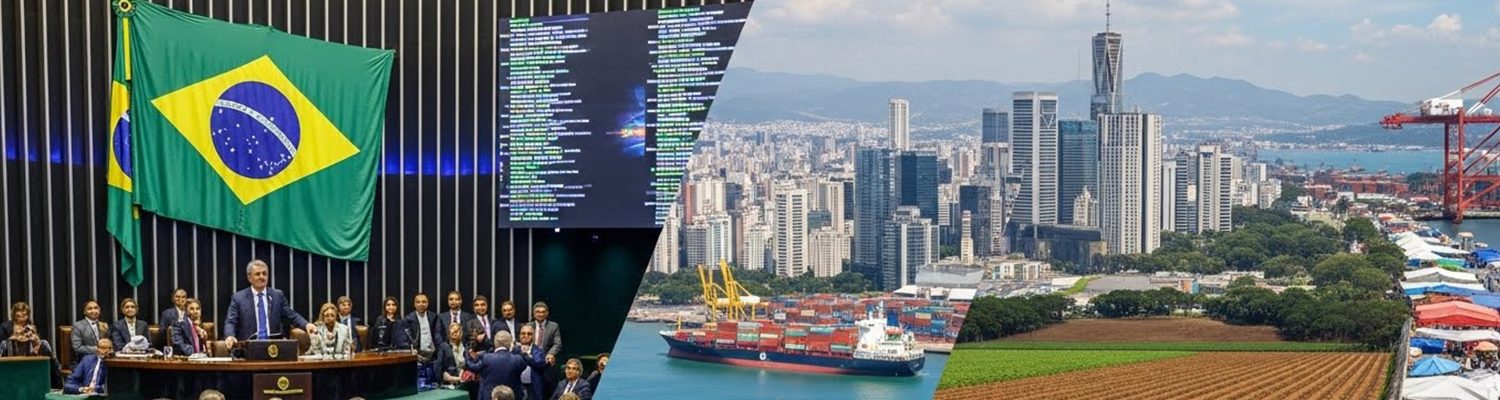

Analyst reviewing Galp's Brazil gas output and trading charts in a finance newsroom.
Updated: April 9, 2026
galp Finance Brazil sits at the nexus of Brazil’s energy-finance puzzle as global gas markets tighten and the country recalibrates its energy mix. This introduction to the latest dynamics analyzes how Galp’s Brazilian output and gas-trading activities influence quarterly profits, debt management, and strategic bets in a market where policy signals and commodity prices swing in tandem. By linking upstream Brazilian production growth, LNG and gas trading margins, and the cost of capital in Brazil’s macro-financial backdrop, we can map what investors and lenders should watch over the next 12 to 24 months. The goal is not to sensationalize headlines but to build a framework for evaluating Galp’s position within Brazil’s evolving energy landscape, where the intersection of energy policy, currency volatility, and global gas demand matters for every balance sheet.
Brazil’s energy backdrop and Galp’s position
Brazil remains powered by a large hydro footprint, but the role of natural gas as a flexible, dispatchable resource is expanding. Domestic gas production has grown modestly while imports of LNG have risen to supplement drought-driven shifts in power generation. In this environment, Galp has positioned itself as a trader and supplier within Brazil’s midstream and downstream ecosystem, seeking to convert asset exposure into cash flow through a mix of long-term contracts and opportunistic trading. The company’s footprint intersects with industrial buyers, power utilities, and refining operations, creating margins that hinge on price spreads, transport costs, and the effectiveness of risk management in a market that combines international gas benchmarks with local pricing dynamics. The broader macro backdrop—elevated Brazilian interest rates, currency swings, and a cautious investment climate—shapes Galp’s financing costs and its appetite for further Brazilian exposure.
Gas trading and output: the revenue engine
Analysts emphasize that the core of Galp’s Brazil-related earnings flows from a blend of upstream output growth and active gas trading that captures volatility in LNG and domestic gas prices. When Brazilian fields produce more gas, incremental volumes can be sold under enduring contracts or moved through spot markets, with margins that benefit from a diversified trading book and hedging strategies. Conversely, spikes in LNG prices or shifting regional demand can create new arbitrage opportunities across hubs, provided the logistics and credit terms are favorable. In Brazil, exchange-rate exposure compounds earnings: USD-denominated revenue from trading can translate into BRL gains or losses depending on hedging effectiveness and the pace of currency movements. The result is a careful calibration between volume growth, price realization, and the costs of maintaining a diversified, compliant trading operation within Brazil’s regulatory framework.
Financing and capital strategy in a volatile market
Galp’s Brazilian financing approach centers on aligning investment tempo with cash flow from gas output and trading activity. In a high-rate environment, debt servicing costs rise, pressuring the balance sheet and potentially limiting capex on growth projects. The company is expected to prioritize debt-maturity management, liquidity buffers, and prudent working capital to weather volatility, while selectively pursuing capex that promises quick payback or strategic advantages in gas logistics and trading capabilities. Currency dynamics matter: while LNG and gas revenues are frequently pegged to USD benchmarks, local currency costs and debt service often occur in BRL. A disciplined capital-allocation framework—segregating maintenance, growth, and shareholder returns—helps Galp preserve financial flexibility to navigate regulatory shifts, credit-market conditions, and potential opportunistic acquisitions within Brazil.
Policy risks and market scenarios for 2025-2027
The Brazilian policy environment for energy and gas trading carries uncertainties that could affect Galp’s financial planning. Changes to gas pricing formulas, tariff structures, or pipeline access could alter the profitability of both production and trading activities. In a baseline scenario, gradual liberalization of non-price-regulated segments, steady LNG availability, and moderate currency volatility are assumed. An upside scenario might unfold if permitting accelerates, demand from Brazil’s manufacturing and power sectors grows more robustly, and trading opportunities expand. A downside scenario could involve tighter price controls, stricter export-credit terms, or shifts in the dominance of national champions that realign market dynamics. Across these paths, Galp’s resilience will depend on currency risk management, hedging discipline, and maintaining a diversified Brazilian asset base while preserving debt headroom for future opportunities.
Actionable Takeaways
- Monitor Brazilian gas demand drivers, including industrial activity and power generation, to gauge incremental volume potential for Galp’s Brazil assets.
- Track LNG price trends and currency hedging effectiveness to understand how trading margins translate into reported earnings in BRL terms.
- Assess Galp’s debt maturity profile and liquidity buffers to determine capacity for capex or shareholder returns amid higher rates.
- Evaluate regulatory developments around gas pricing, pipeline access, and import tariffs that could alter the profitability of Brazilian gas operations.
- Consider scenario-based planning to test resilience against favorable, base, and adverse policy and market conditions over the next 24 months.