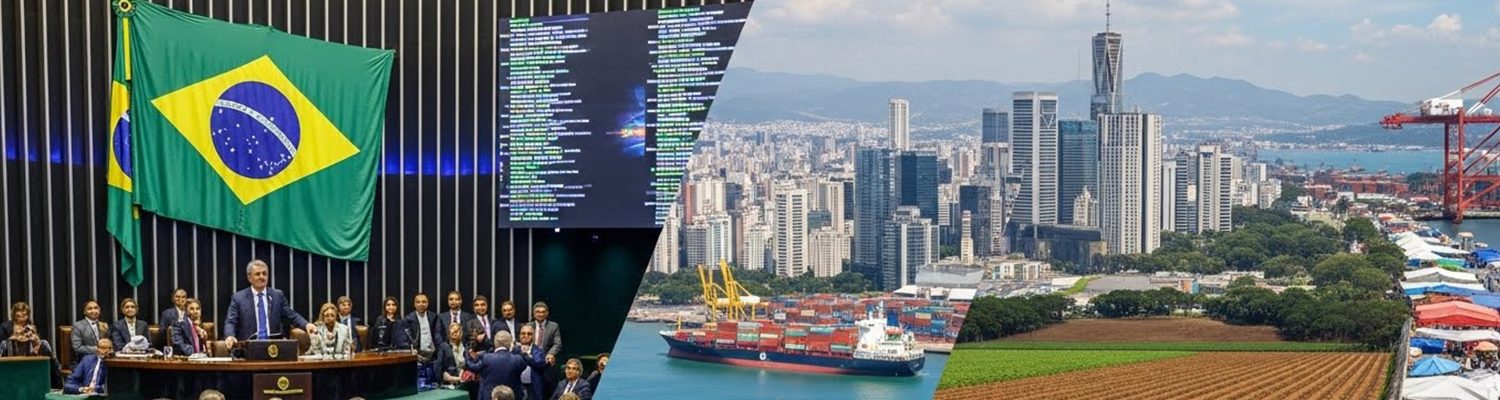

Brazilian finance graph and green energy charts over city skyline
Updated: April 9, 2026
In the evolving landscape of brazil Finance Brazil, policymakers are juggling a new generation of debt instruments, talent shifts, and protective trade tweaks as markets watch Brazil’s macro trajectory. The central tasks: diversify funding, retain skilled public finance personnel, and calibrate revenue measures without spurring inflation or widening inequality.
The Blue Bond Wave and Debt Strategy
Brazil’s debt management office has signaled ongoing interest in blue bonds as a way to finance ocean-climate projects while diversifying funding sources. Analysts note that blue bonds may help align investor appetite with green infrastructure goals, potentially broadening the investor base beyond traditional sovereign bonds. The fiscal math hinges on cost of issuance, liquidity, currency risk, and the maturity profile of existing debt. If global rates stay modest and climate projects deliver measurable social returns, blue bonds could modestly extend Brazil’s average debt tenor and soften refinancing risk. Conversely, if investor demand shifts or liquidity tightens, marginal funding costs could rise and financing choices would need to adapt. The broader context remains Brazil’s ongoing effort to balance growth with debt sustainability amid a volatile global rates environment.
Talent Mobility and the Policy Roadmap
News that a senior official in the Finance Ministry may depart for a World Bank post in Asia underscores the perennial challenge of retaining technical talent within public institutions. Talent mobility can drain institutional memory, but it can also seed global connections that transfer best practices back to Brazil. The key issue for policy makers is how to maintain continuity in policy execution while creating attractive pathways for experts to contribute abroad and, crucially, to return with new insights. Strengthening succession planning, offering competitive compensation within public-sector bounds, and embedding continuous training can reduce disruption to budget rules, tax administration, and public debt management. In parallel, Brazil’s reform agenda—ranging from tax policy to procurement and data governance—needs a stable cadre capable of steering long-term fiscal programs.
Trade Policy Signals and Domestic Revenue
Brazil’s partial rollback of an import tax hike signals a calibrated approach to balancing domestic revenue needs with inflationary pressures and import competitiveness. Opening channels for certain goods can ease price pressures in consumer segments while crowding in revenue from other sources, such as broader tax reform or improved tax compliance. The move also interacts with currency dynamics: a stronger local currency could cushion inflation from cheaper imports, while a weaker currency might necessitate tighter monetary policy. For Brazilian policymakers, the challenge is to maintain a credible path to fiscal consolidation without triggering a disproportionate hit to manufacturing sectors and jobs that rely on imported inputs.
Risks, Scenarios, and Policy Framing
Three scenarios help frame policy options. In a baseline scenario, steady commodity prices and moderate inflation allow gradual debt reduction and sustainable growth. An optimistic scenario—characterized by favorable terms on external financing, stronger tax collection, and an improving current account—could widen Brazil’s fiscal room, enabling targeted social and infrastructure spending. A pessimistic path includes persistent inflation, higher borrowing costs, and capital outflows that compress investment. In all cases, policy framing matters: transparent fiscal rules, credible inflation targeting, and clear communication about debt reduction plans can anchor expectations and reduce volatility. The blue bond initiative and talent mobility should be integrated into a coherent long-term strategy rather than treated as isolated tools.
Actionable Takeaways
- Investors should monitor how Brazil captions and markets new debt instruments, including blue bonds, as part of a diversified funding strategy.
- Policymakers should strengthen talent retention and knowledge transfer mechanisms to ensure policy continuity across leadership changes.
- Business and financial sectors should assess import policy shifts for exposure to price volatility and supply chain resilience.
- Analysts should track tax reform progress and its implications for revenue stability, inflation, and growth, balancing openness with domestic competitiveness.
Source Context
From an editorial perspective, separate confirmed facts from early speculation and revisit assumptions as new verified information appears.
Track official statements, compare independent outlets, and focus on what is confirmed versus what remains under investigation.
For practical decisions, evaluate near-term risk, likely scenarios, and timing before reacting to fast-moving headlines.