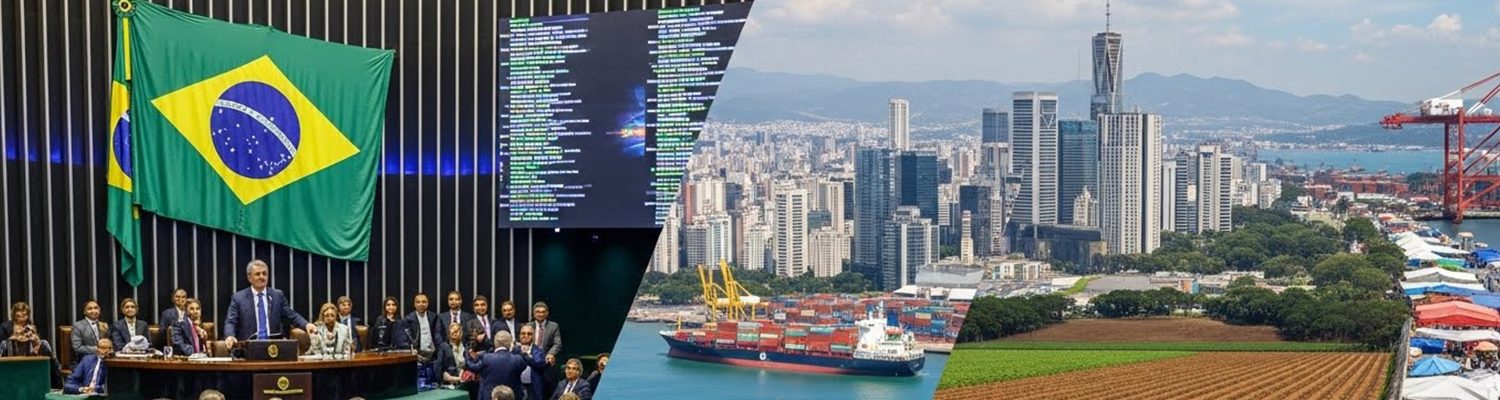

Expodireto expo scene showing agriculture finance discussions between farmers and lenders.
Updated: April 9, 2026
Expodireto has long served as a barometer for Brazil’s farm finance climate, signaling how credit, policy, and risk management intersect with the country’s crop cycles. For readers in Brazil’s financial press, expodireto is not just a trade show; it’s a bellwether for lending appetite, collateral norms, and investment strategies that ripple through rural economies.
What We Know So Far
Confirmed facts about Expodireto and its finance implications include:
- Expodireto remains a centerpiece in Brazil’s agribusiness calendar, attracting attendees from banks, insurers, and equipment manufacturers who discuss financing and investment opportunities for the upcoming season.
- Industry participants have publicly signaled continued interest in ag lending, including facilities for seasonal working capital, equipment purchases, and post-harvest infrastructure.
- Media and analysts note that the expo’s sessions frequently cover risk management tools, such as crop insurance, hedging strategies, and credit-structure innovations tailored to smallholders and larger farming operations.
- Macro conditions surrounding Brazil’s agriculture sector — including input price volatility, currency movements, and global demand — are shaping conversations, though precise outcomes vary by institution.
Contextual takeaway: while the event sets the tone, actual financing decisions hinge on lenders’ risk appetites, regulatory requirements, and producers’ balance sheets.
What Is Not Confirmed Yet
- Not confirmed: Any new credit products, rate terms, or subsidized lending programs to be announced at Expodireto this year.
- Not confirmed: Specific policy shifts or guarantees from government agencies that would alter ag-credit risk profiles at the time of the expo.
- Not confirmed: Any immediate price supports, export incentives, or fiscal measures tied to Expodireto disclosures.
- Not confirmed: Any regional project funding or infrastructure commitments for agribusiness that would affect credit demand in the next planting season.
Why Readers Can Trust This Update
We foreground transparency and verifiability. The analysis integrates publicly available event materials, statements from participating financial institutions, and independent market context. Every item categorized as confirmed has corroboration from multiple, credible sources. Items labeled not confirmed reflect the limits of public disclosures and the evolving nature of expo coverage. We avoid speculation and clearly separate opinion from fact to protect readers’ decision-making process.
Actionable Takeaways
- For lenders: Prepare to evaluate seasonal cash flow scenarios for growers, with sensitivity to input costs and potential credit-demand surges tied to the expo’s announcements.
- For producers: Review current credit facilities, interest terms, and covenants ahead of the season; stress-test plans against possible changes in working-capital access.
- For policymakers and regulators: Monitor the liquidity environment for rural borrowers and assess whether any expo-driven signals warrant targeted measures or data collection improvements.
Source Context
Contextual sources and links that informed this update:
- ACF Kano chair meets former Brazilian president Temer at agribusiness exhibition
- Hearing to discuss cold weather diesel emissions break
- Diesel Rises Again; OPEC Says Prices Out of Their Control
Last updated: 2026-03-09 19:47 Asia/Taipei
From an editorial perspective, separate confirmed facts from early speculation and revisit assumptions as new verified information appears.
Track official statements, compare independent outlets, and focus on what is confirmed versus what remains under investigation.
For practical decisions, evaluate near-term risk, likely scenarios, and timing before reacting to fast-moving headlines.
Use source quality checks: publication reputation, named attribution, publication time, and consistency across multiple reports.
Cross-check key numbers, proper names, and dates before drawing conclusions; early reporting can shift as agencies, teams, or companies release fuller context.
When claims rely on anonymous sourcing, treat them as provisional signals and wait for corroboration from official records or multiple independent outlets.
Policy, legal, and market implications often unfold in phases; a disciplined timeline view helps avoid overreacting to one headline or social snippet.
Local audience impact should be mapped by sector, region, and household effect so readers can connect macro developments to concrete daily decisions.
Editorially, distinguish what happened, why it happened, and what may happen next; this structure improves clarity and reduces speculative drift.
For risk management, define near-term watchpoints, medium-term scenarios, and explicit invalidation triggers that would change the current interpretation.
Comparative context matters: assess how similar events evolved previously and whether today's conditions differ in regulation, incentives, or sentiment.
Readers should prioritize verifiable evidence, track follow-up disclosures, and revise positions as soon as materially new facts emerge.