amazon Finance Brazil: Analyzing Amazon’s fintech potential
Updated: April 9, 2026
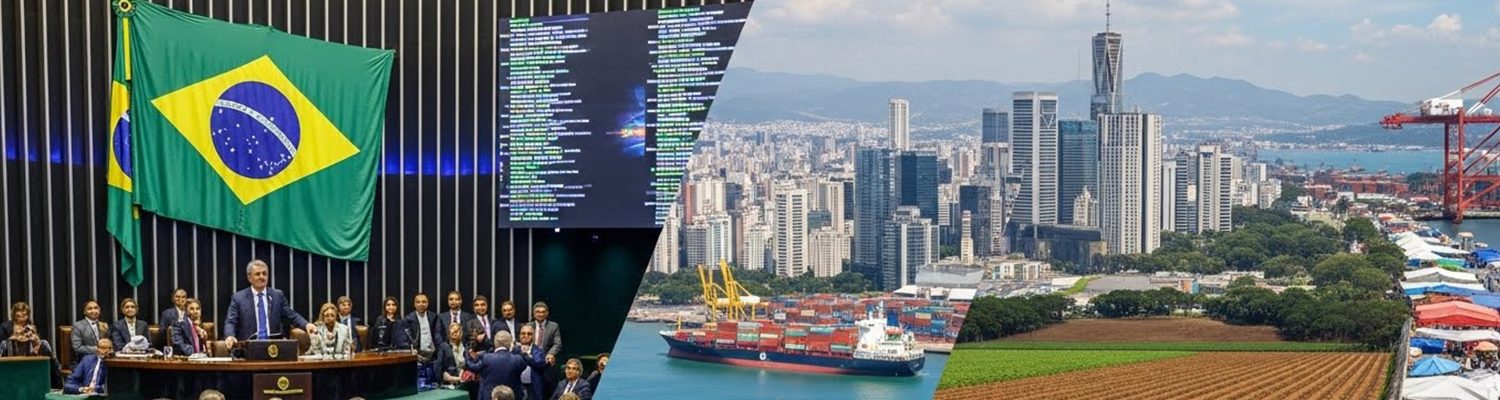
amazon Finance Brazil is becoming a touchstone in Brazil’s evolving digital economy, where e-commerce, fintech innovation, and consumer credit converge under a shifting regulatory lens. The term captures a potential strategic fusion: a large-scale e-commerce platform expanding its financial services footprint in a way that could rewire how Brazilians pay, borrow, and transact. The path from curiosity to impact hinges on three forces: domestic payment rails and consumer credit demand, the trajectory of Amazon-like ecosystems in Latin America, and the capacity of regulators to adapt to rapid digitalization while safeguarding financial stability.
Market context: Brazil’s digital finance momentum
Brazil has witnessed a sustained acceleration of digital payments and fintech activity over the past decade, underpinned by broad mobile penetration, a deepening merchant network, and a regulatory framework that has gradually embraced non-traditional lenders and payment orchestration. The PIX instant settlement system and expanding BNPL (buy now, pay later) options have lowered friction for everyday transactions and expanded credit access for consumers who previously found formal channels difficult to navigate. In this environment, an integrated financial-services approach tied to a major e-commerce platform could help reduce customer acquisition costs for merchants, improve data-driven risk scoring, and unlock new revenue streams from payments, micro-lending, and working-capital finance for small businesses tied to online marketplaces.
Yet the Brazilian market also presents challenges: macro volatility, inflationary pressures, and a complex tax regime that can complicate the economics of cross-subsidized services. Consumer protection, data privacy, and competitive dynamics require careful navigation to avoid moral hazard and ensure sustainable profitability. The question is not merely whether amazon Finance Brazil can exist; it is whether it can scale in a way that aligns with Brazil’s unique financial and regulatory landscape while delivering tangible benefits to consumers, small merchants, and the broader economy.
Digital payments, credit, and consumer finance in the Amazon era
Even without a formal product launch, the idea of tightly integrated payments and credit within a leading online marketplace presents a model that resonates with Brazil’s appetite for convenience and inclusive finance. A hypothetical amazon Finance Brazil could leverage existing customer data, merchant networks, and logistics capabilities to offer streamlined payment modes, loyalty-linked financing, and working-capital products for small sellers. The potential advantages include higher conversion rates for checkout, more predictable cash flow for merchants, and improved access to credit for individuals who are underserved by traditional banks.
However, there are material risks to address. Data privacy and user consent must be at the core of any expansion, with clear boundaries on cross-service data sharing and robust controls for unauthorized access. Regulatory supervision would need to balance innovation with consumer protection, capital adequacy, and systemic risk considerations. Competition would intensify as local banks, fintechs, and other tech platforms respond with their own digital-finance offerings, potentially lowering margins but expanding overall financial inclusion if designed with prudence. A credible strategy would also require transparent pricing, clear disclosures, and strong governance to prevent adverse selection, algorithmic bias, or credit overextension among new borrowers.
The sustainability angle matters as well: the financing choices offered to micro-, small-, and medium-sized enterprises (MSMEs) could influence investment patterns, supply chain resilience, and job creation. If amazon Finance Brazil aligns with broader sustainable-finance standards, it might attract capital from funds and institutions seeking governance and impact outcomes alongside growth. This aligns with a wider Brazilian push toward consolidating green and sustainable finance, a trend described in national strategy documents and market analyses that emphasize capital-attraction while tightening oversight of climate-related disclosures.
Policy and risk factors: regulatory oversight and sustainability
Brazil’s regulatory environment for digital finance is evolving, with policymakers balancing rapid innovation against consumer protection, AML/CFT standards, and financial stability. In parallel, Brazil has signaled a strategic emphasis on sustainable finance—prioritizing green and social investments, improving disclosure practices, and encouraging capital inflows that support long-term growth. A 2026 sustainable-finance strategy, for example, highlights consolidation of green instruments and a focus on attracting capital while maintaining rigorous risk controls. An integrated financial-services model tied to a dominant e-commerce platform would need to demonstrate strong risk governance, independent risk assessment, and robust cyber resilience to satisfy both regulators and investors. The alignment with sustainability goals could also influence which segments receive funding, how collateral is structured, and what reporting standards accompany new products.
Economically, Brazil’s external environment—commodity prices, energy markets, and global capital flows—will continue to shape affordability and default risk within any new lending framework connected to a large consumer base. The oil-and-energy context, including shifts in global demand and price volatility, can indirectly affect fiscal space and consumer spending power, thereby influencing the viability of consumer finance schemes and MSME lending. For policymakers, the test is ensuring that digital-finance expansion expands inclusion without compromising financial soundness or raising systemic risk in periods of macro stress.
Scenario framing: what could happen if expansion accelerates
Base-case scenario: amazon Finance Brazil grows gradually, focusing on merchant-enabled payments, loyalty programs, and limited consumer credit tied to trusted merchants. The network effects improve checkout efficiency and SME cash flows, with a controlled risk posture and clear compliance protocols. The regulatory environment remains cautious but constructive, allowing measured scale-up as data protections and consumer protections prove robust. This path emphasizes sustainable unit economics and regulatory confidence over rapid market share capture.
Optimistic scenario: rapid adoption of integrated payments and credit creates a new standard for e-commerce-driven finance in Brazil. Cross-border investment increases, fintech partnerships deepen, and the platform becomes a major source of SME financing, with tiered credit products and risk-based pricing. In this world, strong governance, transparent disclosures, and climate-related financing align with investors’ ESG mandates, supporting long-term capital inflows and steadier growth for both online retail and financial services sectors.
Pessimistic scenario: aggressive expansion outpaces risk controls, leading to higher default rates or data-security incidents. Competition intensifies, margins compress, and regulatory fines or constraints interrupt growth. The outcome could dampen consumer confidence and slow the overall digital-finance wave, underscoring the need for high-quality risk analytics, resilient cyber defenses, and disciplined product design that centers consumer welfare.
Actionable Takeaways
- Investors: monitor governance, data privacy practices, and capital-adequacy metrics associated with any integrated amazon Finance Brazil-like model; seek clear, independent risk disclosures and scalable unit economics.
- Policy makers: prioritize consumer protection, transparency in pricing, and robust cyber risk frameworks; align regulatory sandboxes with data-sharing standards that protect individuals while enabling innovation.
- Merchants and SMEs: assess financing options tied to e-commerce ecosystems for working-capital needs, ensuring terms are transparent and aligned with cash-flow realities.
- Consumers: stay informed about data usage and lending terms; compare digital-finance options for cost, flexibility, and long-term financial health.
- Market analysts: track the interplay between digital payments growth, regulatory signals, and sustainability-linked finance to gauge the long-run viability of platform-based financial services.
Source Context
For context on Brazil’s evolving finance landscape and the potential role of large platforms in payments and credit, see these sources: