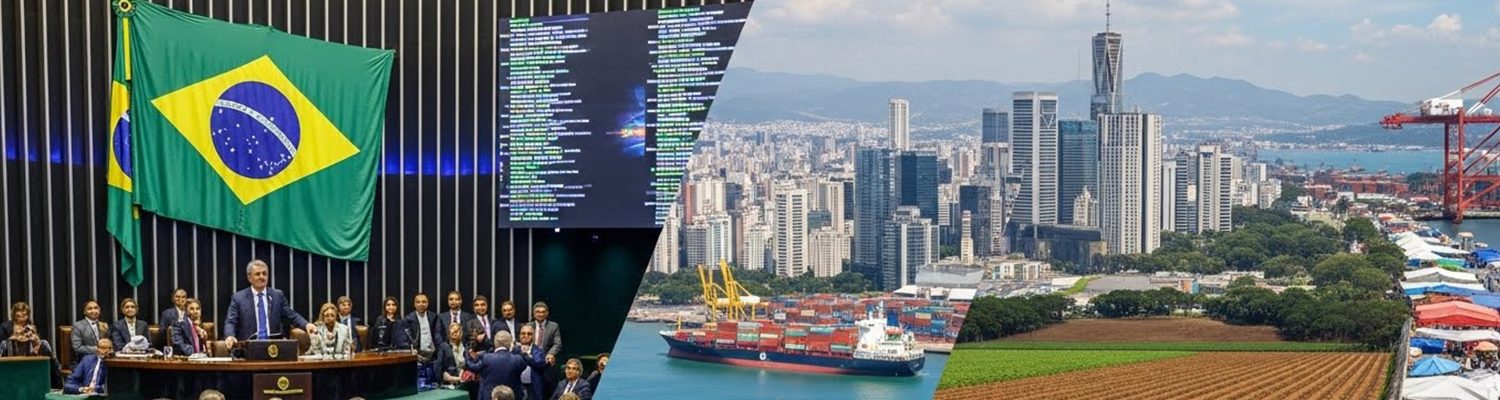
Brazilian finance graph and green energy charts over city skyline
Updated: April 9, 2026
Across brazil Finance Brazil, Lula’s administration is orchestrating a bold push to mobilize roughly $50 billion in sustainable investments during its term, aiming to align capital flows with climate goals while preserving macro stability. This effort arrives at a critical juncture as global markets recalibrate after years of easy liquidity and as domestic policy choices—ranging from tax incentives to public guarantees—shape the affordability and speed of large-scale projects. The question for Brazil’s financial system is not only how to mobilize capital, but how to manage risk, execution timelines, and social outcomes as funds begin to flow into infrastructure, energy transition, and digitized financial services.
Policy momentum and investment commitments
The Lula administration has signaled a concerted intent to pull together public instruments, blended finance, and private capital to accelerate green and inclusive growth. Central to this framework are state-supported banks and development institutions that can anchor project pipelines, alongside pension funds and asset managers seeking longer-dated, ESG-aligned opportunities. In practice, a mix of guarantees, concessional financing, and tax or regulatory incentives is expected to help reduce the upfront cost of capital for climate-resilient projects. The scale—on the order of tens of billions—aims to address financing gaps that have long slowed Brazil’s climate and infrastructure agenda. Yet policy momentum must translate into a credible, budgeted plan: clear tender calendars, transparent risk-sharing rules, and measurable milestones are essential for lenders and borrowers to align expectations with reality.
Execution hinges on three levers: first, a robust project pipeline that aligns with environmental and social objectives; second, credible fiscal discipline that preserves macro stability; and third, a governance framework that reduces political and regulatory volatility. If these elements hold, the ecosystem can attract not only domestic capital but also international ESG funds seeking exposure to Brazil’s growth story. If they falter, the same channels may retreat or demand higher risk premia, complicating debt service and refinancing for municipalities and corporates alike.
Markets, credit and execution risk
Financial markets will respond to how Lula’s plan is financed and governed. A credible, detail-rich execution roadmap can improve confidence among lenders and rating agencies, potentially narrowing credit spreads and lowering the cost of capital for green projects. Conversely, persistent fiscal ambiguity or annual budgetary drift could raise concerns about debt dynamics, currency implications, and inflation expectations. Brazil’s banks and non-bank lenders will be examining collateral frameworks, project-selection criteria, and the sharing of downside risks across public and private partners. In a country where currency volatility and external demand for commodities can swing unexpectedly, the pricing of long-duration infrastructure and energy projects will reflect not just local financial strength but global risk sentiment as well.
Private sector appetite remains a decisive variable. If banks and asset managers perceive a predictable policy environment, they may mobilize more long-horizon funds, particularly in sectors with established cost curves and visible cash flows—such as renewables, logistics, and digital financial services. If, however, execution timelines slip or project returns become uncertain due to tariff changes, permitting delays, or FX swings, funding games may shift toward shorter tenors or more conservative structures. The result could be slower capital formation, higher reliance on public guarantees, or tighter credit margins for small and mid-sized players trying to participate in the green transition.
Sector bets and the climate finance landscape
Infrastructure and energy transition stand out as near-term focal points. Roads, ports, and logistics networks can unlock productivity by reducing transport frictions, while solar and wind projects, coupled with storage, could diversify Brazil’s energy mix and reduce exposure to commodity price swings. Green bonds and blended finance arrangements are likely to be employed to attract diverse investors, including pension funds seeking climate-aligned portfolios. In parallel, fintech and digital inclusion initiatives could broaden access to affordable credit and payment services, expanding the market for formal finance among underserved segments. The success of these bets depends on a pipeline of bankable projects, predictable regulatory treatment, and timely execution that respects environmental safeguards and social objectives.
Longer-term, the climate finance landscape will hinge on the maturity of blended finance, risk-sharing norms, and the depth of domestic capital markets. As more Brazilian institutions participate, co-financing with international partners could become more common, reducing project risk through diversified funding sources. Yet this integration also requires robust data, transparent reporting on emissions and social impact, and a credible transition plan that aligns with both global standards and Brazil’s developmental needs. Sector-specific dynamics—such as bioenergy policy, grid modernization, and urban mobility incentives—will therefore shape which opportunities win priority financing and how quickly capital can flow to the most impactful projects.
Actionable Takeaways
- Track the policy execution calendar and budget allocations for sustainable investment programs; clear milestones reduce funding risk.
- Assess the role of public banks and blended-finance vehicles in mobilizing private capital; identify potential co-financing partners and guardrails.
- Monitor currency and inflation signals that could affect long-term project costs and debt service, especially for import-intensive components.
- Prioritize sectors with predictable cash flows and proven development pipelines—renewables, logistics, and scalable digital finance—when evaluating opportunities.
- Evaluate governance and disclosure standards for ESG projects to ensure credible measurement of impact and compliance with international expectations.
- Prepare scenario plans that factor political cycles, regulatory shifts, and global capital flows to stress-test investment theses.