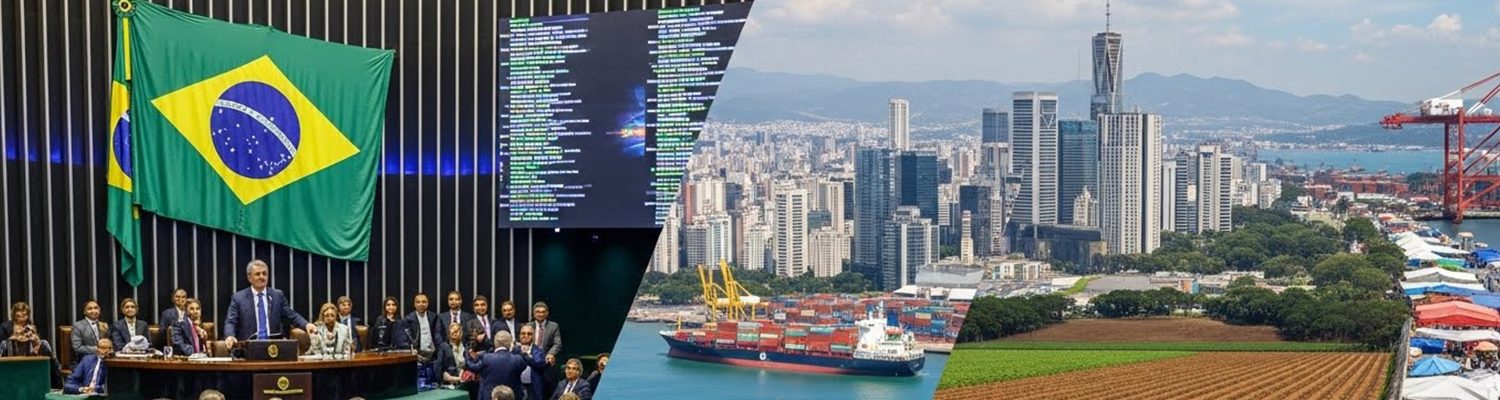

Brazilian fintech and digital finance concept art
Updated: April 9, 2026
Against a backdrop of Brazil’s evolving energy policy and a tightening global funding environment, alvopetro Finance Brazil stands at the crossroads of asset expansion and capital discipline. As the company advances a portfolio that spans Brazilian onshore horizons and Canadian developments, managers, lenders, and analysts weigh how financing structures, commodity cycles, and currency dynamics will shape execution over the next 12 to 24 months. The analysis that follows dissects the financial architecture supporting Alvopetro’s growth, the macro levers that will determine its cost of capital, and the scenarios that could tilt the outlook for investors and local stakeholders who rely on a steadier energy investment climate. By framing the decision matrix around funding durability, operational leverage, and policy risk, this piece offers a practical reading of the path ahead for alvopetro Finance Brazil.
Context: Brazil’s Upstream Financing Climate
Brazil’s upstream sector has long depended on a mix of local lenders, export credit agencies, and selective international partners. In the past year, currency volatility and inflationary pressure have heightened the cost of capital for producers, even as oil prices recovered. Regulatory tempo from the ANP and fiscal prudence in public policy influence debt capacity and project pipelines. For a company like Alvopetro, the challenge is to balance near-term production growth with long-range hedging strategies that protect margin when BRL swings. The Brazilian market also tests cross-border models, where Canadian assets add diversification but introduce additional currency and tax considerations. The result is a financing climate that rewards clarity around capex, hedges, and partner risk, while punishing opaque balance sheets or stretched covenants.
Alvopetro’s Asset mix and Growth Signals
Alvopetro’s footprint in Brazil emphasizes onshore development with potentially lower unit costs and quicker paybacks, while its Canadian assets offer longer life and different price dynamics. The mix can smooth cash flow volatility but raises questions about capital allocation, transfer pricing, and operational integration. Investors will look for evidence of disciplined drilling programs, stage-gated investment thresholds, and transparent debt maturity ladders. Early signs from 2025 coverage suggest progress on field redevelopment and resource development that could lift volumes modestly if pricing remains supportive. However, cross-border ventures require robust hedging and tax planning to convert resource upside into shareholder value. The key is to tie activity to defined hurdle rates and to ensure capital remains available even if one market firms up before the other.
Funding, Valuation, and Risk Scenarios
Funding remains a function of debt appetite from Brazilian banks, access to private capital, and the willingness of lenders to back upstream with currency risk hedging. A base-case scenario assumes a balanced mix of debt and equity, with project financing for Canadian assets and corporate facilities for Brazil. In a downside scenario, higher financing costs or tighter liquidity could compress margins, forcing tighter capex and slower growth. Conversely, if oil and gas prices surprise to the upside and currency hedging reduces currency losses, the project returns could exceed initial projections. The valuation challenge lies in translating future cash flows under varying FX, rate, and commodity assumptions into a credible risk-adjusted price for the company.
Policy, Currency, and Market Frictions
Policy risk in Brazil includes licensing timelines, local content rules, and tax changes that could alter project economics. Currency risk remains an ongoing test for cross-border operators, with hedging costs that can eat into margins when the BRL is volatile. Market frictions, including limited depth of domestic upstream financing and the need for multi-jurisdictional oversight, require careful governance and transparent reporting. A prudent plan is to align debt maturity with expected cash flows, maintain a cushion of liquidity, and pursue partners who share risk and reward alignments. These considerations are essential to sustain growth regardless of the near-term macro wobble.
Actionable Takeaways
- Map capex milestones for Brazil and Canada assets to secure disciplined funding.
- Implement an FX hedging strategy to manage BRL-USD exposure.
- Assess cross-border asset returns under multiple oil price and FX scenarios.
- Monitor regulatory developments and licensing timelines that affect project economics.
- Maintain liquidity buffers and diversified funding channels to reduce refinancing risk.
Source Context