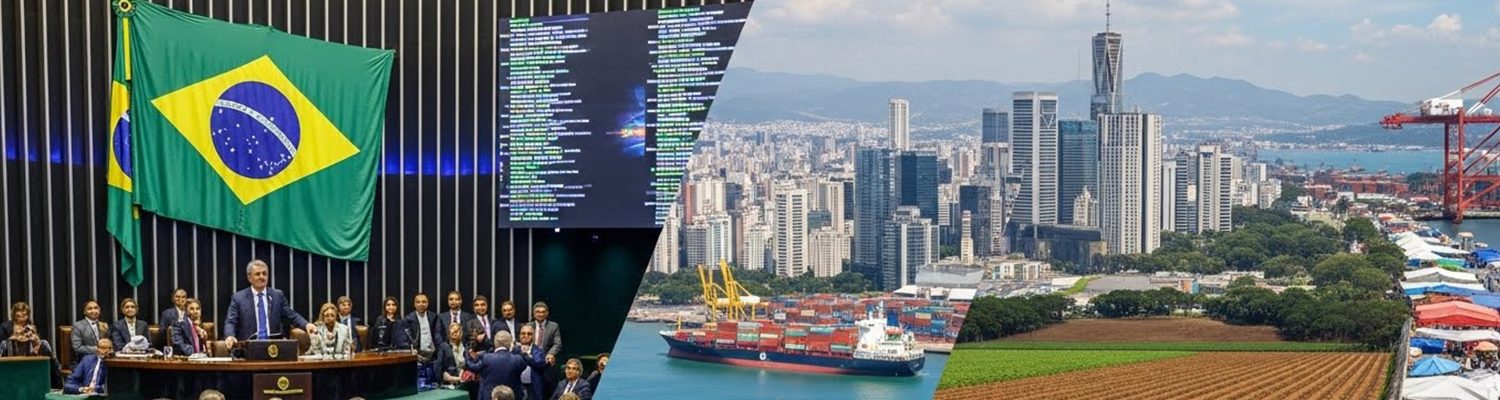

Brazilian finance district skyline with graphs and currency symbols reflecting policy and market analysis
Updated: April 9, 2026
In the brazil Finance Brazil landscape, capital markets are parsing a wave of policy nudges, from climate-linked debt instruments to selective tax adjustments and leadership reshuffles. The moment is less about dramatic reform and more about calibration: how Brazil leverages external liquidity, manages inflation, and protects social spending while signaling credibility to traders and lenders. This deep-dive analysis examines the converging threads of blue bonds issuance, tax policy tweaks, and a brewing leadership transition to map potential paths for growth, debt sustainability, and investor confidence in the coming quarters.
Global finance tides and Brazil’s blue bond strategy
Global demand for blue and other climate-linked debt remains a dominant feature of external financing. Brazil has sought to ride this wave by expanding its blue bond program, which diversifies the debt mix and taps investors oriented to sustainability. For Brazil, this strategy can lower funding costs if demand holds and if the project pipelines meet credible certification standards. But the approach also raises questions about governance and project selection: how will the government maintain transparency, ensure measurement of impact, and prevent greenwashing as issue volumes grow?
Analysts note that a longer run of favorable funding conditions—supported by global search for ESG-grade assets—could cushion the debt trajectory in a period of elevated deficits. Yet the spread between Brazilian yields and core peers will still hinge on policy credibility, inflation performance, and the pace of structural reforms. If external liquidity tightens or climate financing shifts, the blue-bond push may need to be complemented by traditional debt management tools and clear, rule-based budgeting to avoid crowding out social spending.
Domestic shifts: import tax rollback and fiscal signaling
The reported rollback of an import tax hike signals a policy pivot aimed at easing price pressures and supporting growth, but the move carries revenue and inflation tradeoffs. A reduced tax burden on imports can lower domestic prices for a range of consumer goods and intermediate inputs, potentially easing inflation expectations in the near term. The trade-off is tighter revenue collection, which could constrain fiscal consolidation and limit room for social spending unless offset by efficiency gains or broadening of the tax base.
Markets will watch how the administration communicates this adjustment—whether it is temporary or structural; the clarity of the roadmap matters. The policy signal matters: if the rollback is framed as a temporary relief to support industry and households while a more durable revenue plan is developed, markets may price in a more favorable risk profile. Conversely, if revenue gaps widen without credible reform, markets could demand higher yields and tighter financing conditions, risking a self-fulfilling cycle for inflation and debt dynamics.
Leadership turnover and the policy horizon
Rumors and informal signaling around the Finance Ministry leadership—such as reports that a senior figure may depart for a World Bank post in Asia—underscore how sensitive policy direction can be to personnel changes. While such moves can bring new expertise and networks, they also inject uncertainty into the budget planning calendar and reform timetable. The timing of cabinet appointments matters for fiscal consolidation, tax reform, and the sequencing of public investment. A stable executive team that communicates a clear medium-term path can anchor market expectations despite the inevitable noise of personnel shifts.
In the medium term, a transition may steer attention toward governance reforms and project appraisal standards, ensuring that spin-off investments in blue bonds and infrastructure investments align with transparent criteria and measurable outcomes. If a new leadership cadre emphasizes credible budgeting, Brazil could preserve investor confidence even as external conditions change.
Market outlook and scenarios
Taken together, the current policy mix creates a base-case scenario in which Brazil maintains gradual fiscal adjustment, continues to diversify funding through climate-linked instruments, and manages inflation within target ranges. The upside hinges on sustained reform momentum, steady foreign liquidity, and resilient commodity exports. A more favorable outcome could see tighter spreads, higher capital inflows, and a stronger currency, reinforcing debt sustainability and investment in long-run growth projects.
Downside risks include delayed reforms, revenue shortfalls, or external shocks—such as commodity price volatility or shifts in global financing conditions—that could tighten financial conditions, widen deficits, and test the resolve of policymakers. In such a scenario, prudent risk management—including contingency budgets, conservative debt issuance plans, and credible inflation anchors—would be essential to preserving access to finance at sustainable costs.
Actionable Takeaways
- Investors: monitor blue bond issuance pipelines and certification standards to assess credibility and pricing signals.
- Policymakers: align tax policy with inflation targets and social objectives, ensuring revenue resilience for the budget.
- Businesses: anticipate import tax adjustments influencing input costs and supply chains; hedging strategies may be prudent.
- Analysts: track leadership signals and budget calendars to gauge reform momentum and policy credibility.
- Governments: publish transparent performance metrics for climate-finance projects to reassure markets.